ACID LED CIDER/ SIDRA ACIDIFICADA
Style/ Estilo:
- Acidity, freshness and citric or tropical fruitiness is the defining characteristic, but there can be some bitterness and astrigency from tannins to add balance.
- Traditionally from Eastern England, Central Europe, but also made in USA, Australia & New Zealand.
- Can be made with specific traditional cider apple varieties, heirloom varieties or dessert/culinary apples.
– La acidez, la frescura y el sabor a fruta cítrica o tropical son las características que la definen, pero puede contener algo de amargor y astringencia de los taninos para equilibrarla.
– Tradicionalmente del este de Inglaterra y Europa Central, pero también se elabora en EE.UU., Australia y Nueva Zelanda.
– Puede elaborarse con variedades específicas de manzanas de sidra tradicionales, variedades autóctonas o manzanas de mesa/culinarias.
Expected characteristics/ Características esperadas:
- Aroma: fresh citrus, green apple, apple strudel, floral, perfumed
- Flavour: crisp or sharp acidity, but with appropriate fruitiness and/or sweetness to balance
- Mouthfeel: light and vibrant on the palette but normally with a short aftertaste
– Aroma: cítrico fresco, manzana verde, strudel de manzana, floral, perfumado.
– Sabor: acidez fresca o aguda, pero con un equilibrio adecuado de fruta y/o dulzor.
– Sensación en boca: ligera y vibrante en el paladar, pero normalmente con un retrogusto corto.
Sweetness parameters/ Parámetros de dulzor:
- Dry – cider with a specific gravity reading of <1.005
- Medium – cider with a specific gravity reading of 1.005 to <1.015
- Sweet – cider with a specific gravity reading of >1.015
– Seca: sidra con una gravedad específica <1,005.
– Semi-seca: sidra con una gravedad específica de 1,005 a <1,015.
– Dulce – sidra con una gravedad específica >1,015.
Notes/ Notas:
- ABV between 3% – 8.5%
- Includes mainstream, contemporary and premium varieties.
- Can be still or sparkling.
- If the cider has been made through a bottle fermented or bottle conditioned (including full methode traditionelle) process it should be entered into Naturally Sparkling Cider.
– Contenido de alcohol entre 3% y 8,5%.
– Incluye variedades convencionales, contemporáneas y premium.
– Puede ser espumosa o no espumosa.
– Si la sidra ha sido elaborada mediante un proceso de fermentación en botella o de acondicionamiento en botella (incluido el método tradicional completo), debe incluirse en la categoría Sidra Natural Espumosa.
FLAVOURED CIDER/ SIDRA AROMATIZADA
Style/ Estilo:
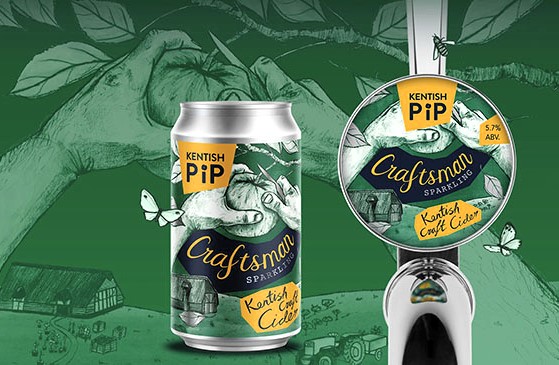
- Fermentation of apple juice including other fruits and flavours either as a co-fermentation or after fermentation.
– Fermentación de zumo de manzana que incluye otras frutas y aromas, ya sea como co-fermentación o después de la fermentación.
Expected characteristics/ Características esperadas:
- Cider with Hops: This sub category includes cider with the addition of hops added at any stage of the cider making process.
- Cider with Herbs & Spices: This sub category includes cider with the addition of herbs & spices. This could include, but is not limited to: rosemary, chilli, ginger, cardamom etc.
- Cider with Fruits & Flowers: This sub category includes cider with the addition of fruits other than apple and/or flowers and blossom from plants and trees. This could include, but is not limited to: strawberry, blackcurrant, watermelon, elderflower, mango, rhubarb, orange blossom, rose water etc.
– Sidra con lúpulo: Esta subcategoría incluye la sidra con adición de lúpulo añadido en cualquier fase del proceso de elaboración de la sidra.
– Sidra con hierbas y especias: Esta subcategoría incluye la sidra con adición de hierbas y especias. Puede incluir, entre otras: romero, guindilla, jengibre, cardamomo, etc.
– Sidra con frutas y flores: Esta subcategoría incluye la sidra con frutas distintas de la manzana y/o flores y capullos de plantas y árboles. Puede incluir, entre otras: fresa, grosella negra, sandía, flor de saúco, mango, ruibarbo, azahar, agua de rosas, etc.
Sweetness parameters/ Parámetros de dulzor:
- There are no sweetness parameters in this class and these ciders may be still or sparkling.
– No hay parámetros de dulzor en esta categoría y estas sidras pueden ser espumosas o no espumosas.
Notes/ Notas:
- ABV between 3% – 8.5%
- Submissions for this style should be clear whether the additional flavour is the dominate one or if it is supposed to enhance the base cider. For example “Raspberry Cider” versus “Cider with Raspberry”
- Judges are asked to look for, and reward ciders where the additional flavours work in harmony and balance with the base cider.
– Contenido de alcohol entre 3% – 8.5%.
– Las presentaciones para este estilo deben dejar claro si el sabor adicional es el dominante o si se supone que realza la sidra base. Por ejemplo, «sidra de frambuesa» frente a «sidra con frambuesa».
– Se pide a los jueces que busquen y premien las sidras en las que los sabores adicionales funcionen en armonía y equilibrio con la sidra base.
ICE CIDER/ SIDRA DE HIELO
Style/ Estilo:
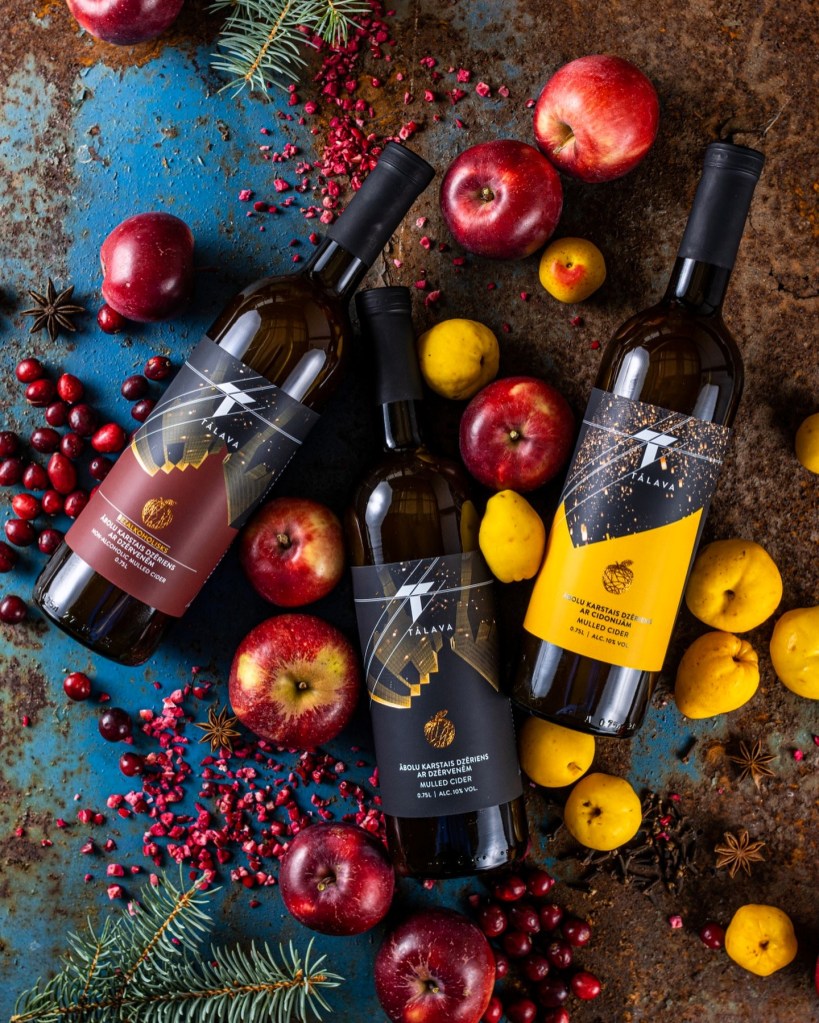
- High level of sweetness and a typically higher than average ABV.
- Made by freeze concentration and controlled fermentation of apple juice.
– Alto nivel de dulzor y un contenido de alcohol típicamente superior a la media.
– Elaborada mediante concentración por congelación y fermentación controlada de zumo de manzana.
Notes/ Notas:
- ABV between 5% – 15%
- Ciders are made without the addition of any other fruit or flavour.
- Judges are asked to look for, and reward, levels of acidity, tannin and alcohol to balance with the sweetness.
– Contenido de alcohol entre 5% – 15%.
– La sidra se elabora sin añadir ninguna otra fruta o sabor.
– Los jueces deben buscar y recompensar los niveles de acidez, tanino y alcohol para equilibrar el dulzor.
LOW AND NO ALCOHOL CIDER/ SIDRA SIN O BAJA EN ALCOHOL
Style/ Estilo:
- Styles will vary depending on apple varieties and methods of fermentation used.
– Los estilos variarán en función de las variedades de manzana y los métodos de fermentación utilizados.
Sweetness parameters/ Parámetros de dulzor:
- There are no sweetness parameters for this class.
– No hay parámetros de dulzor para esta categoría.
Notes/ Notas:
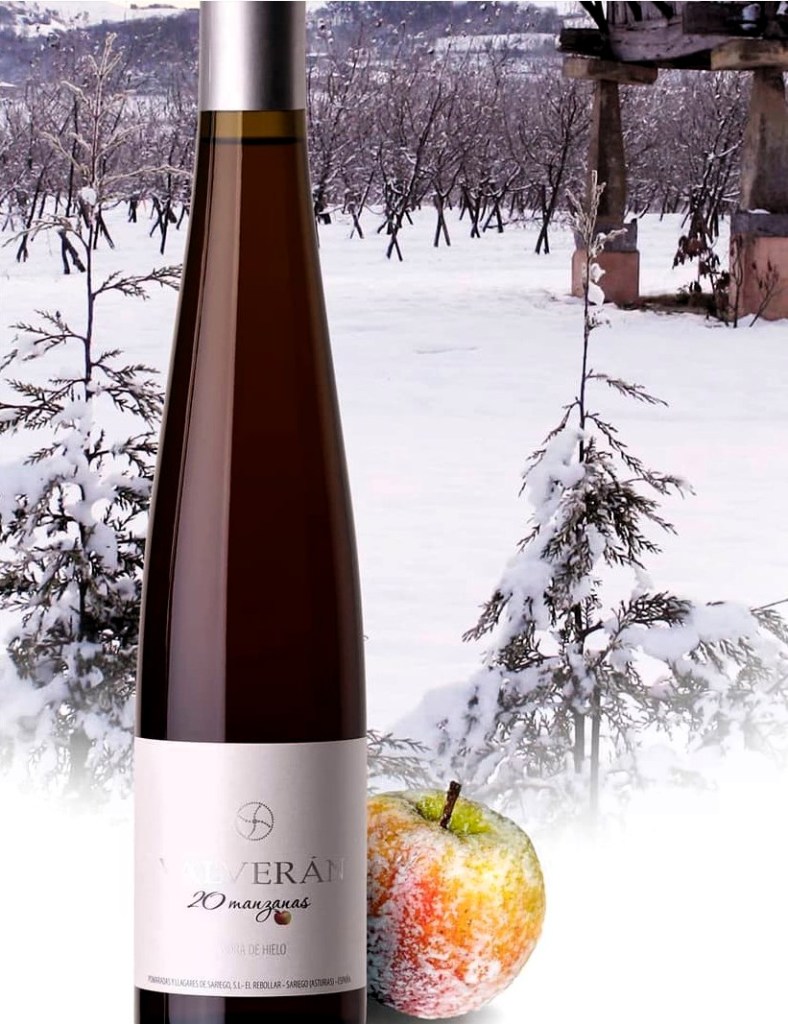
- ABV between 0% – 3%
- Ciders in this class may be still or sparkling.
- Credit will be given to ciders which demonstrate good body, complexity and balance.
– Contenido de alcohol entre 0% – 3%.
– Las sidras de esta categoría pueden ser espumosas o no espumosas.
– Se valorarán las sidras que demuestren buen cuerpo, complejidad y equilibrio.

NATURALLY SPARKLING CIDER/ SIDRA NATURAL ESPUMOSA
Bottle Fermented/ Fermentado en botella
Style/ Estilo:
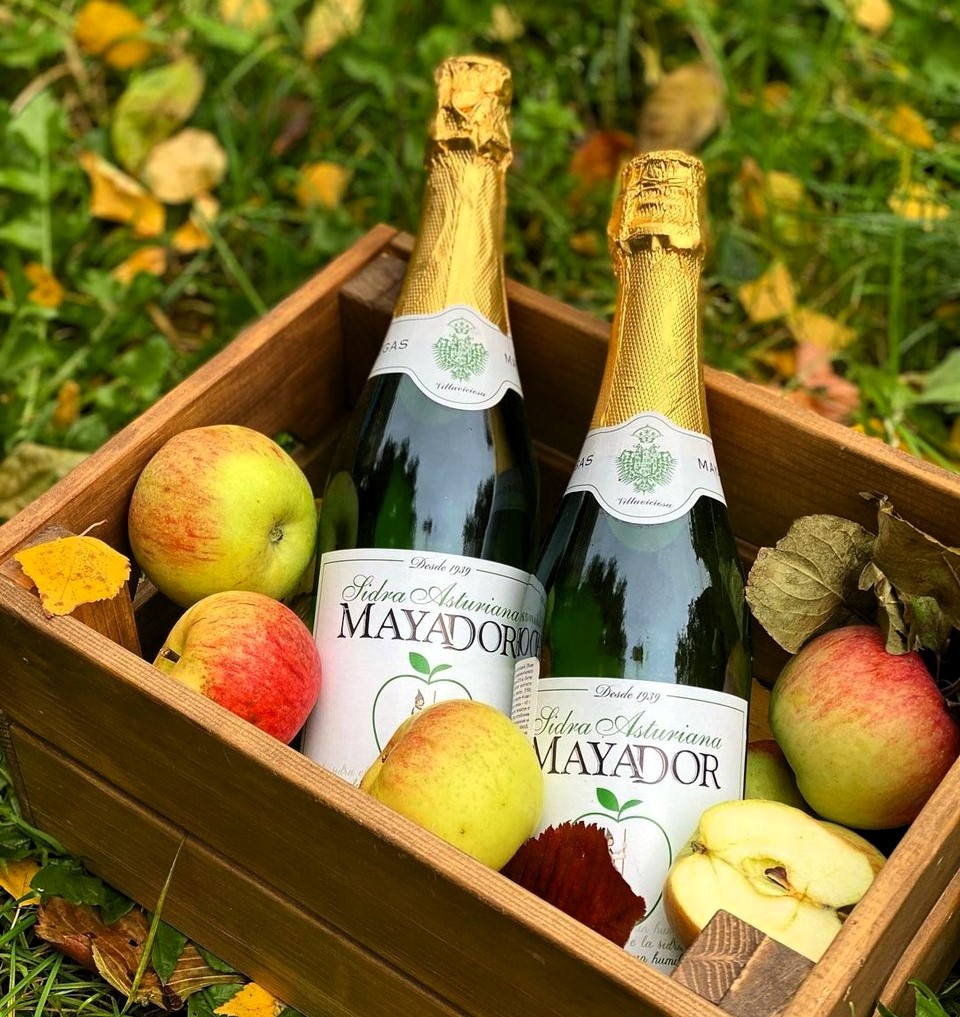
- Ciders that have undergone secondary fermentation within the bottle to create a natural sparkle.
- Can be closed with either cork & wire closure or crown cap.
- Can either have less left in or disgorgement carried out.
– Sidras que han sufrido una fermentación secundaria dentro de la botella para crear una chispa natural.
– Puede cerrarse con tapón de corcho y alambre o con tapón corona.
– Se puede dejar menos en la botella o realizar el degüelle.
Sweetness parameters/ Parámetros de dulzor:
- There are no sweetness parameters, but these styles tend to err towards the dry end of the spectrum.
– No hay parámetros de dulzor, pero estos estilos tienden hacia el extremo seco del espectro.
Bottle Conditioned (including French Style)/ Acondicionado en botella (incluido el estilo francés)
Style/Estilo:
- Primary fermentation takes place in the bottle without the addition of sugar.
- Lees are left in the bottle
- Traditionally made in Normandy and Brittany.
- Keeving or Cuvage methods may be used to achieve higher sweetness. These ciders are characterised by bold, rich volatile phenolics and big, soft, rich tannins.
– La fermentación primaria tiene lugar en la botella sin adición de azúcar.
– Las lías se dejan en la botella
– Tradicionalmente elaborado en Normandía y Bretaña.
– Pueden utilizarse los métodos Keeving o Cuvage (detienen el proceso de fermentación antes de que la levadura pueda convertir todos los azúcares naturales en alcohol) para conseguir un mayor dulzor. Estas sidras se caracterizan por ser atrevidas, ricas en fenoles volátiles y con taninos grandes, suaves y ricos.
Sweetness parameters/ Parámetros de dulzor:
- There are no sweetness parameters, but these styles tend to err towards the sweeter end of the spectrum, owing to the nature of the process.
– No hay parámetros de dulzor, pero estos estilos tienden a ser más dulces debido a la naturaleza del proceso.
Notes/ Notas:
- Tannin dominant and acid dominant ciders may be entered into this category and will be judged entirely on merit of the skill and craftsmanship of the bottle fermenting process.
– Las sidras con taninos dominantes y con ácidos dominantes pueden incluirse en esta categoría y se juzgarán exclusivamente en función de la habilidad y la artesanía del proceso de fermentación en botella.
PEAR CIDER AND PERRY/ SIDRA DE PERA Y PERRY
Pear Cider/ Sidra de pera
Style/ Estilo:
- Can be made from dessert and culinary pears.
- Does not display the tannin character of perry.
– Puede elaborarse con peras de postre y culinarias.
– No presenta el carácter tánico del perry.
Sweetness parameters/ Parámetros de dulzor:
- Dry – perry with a specific gravity reading of <1.005
- Medium – perry with a specific gravity reading of 1.005 to <1.015
- Sweet – perry with a specific gravity reading of >1.015
– Seca: perada con una gravedad específica <1,005.
– Semi-seca: perada con una gravedad específica de 1,005 a <1,015.
– Dulce: perada con una gravedad específica >1,015.
Notes/ Notas:
- ABV between 3% – 8.5%
- These drinks can be still or sparkling, including naturally sparkling
– Contenido de alcohol entre 3% y 8,5%
– Estas bebidas pueden ser no espumosas o espumosas (incluyendo naturales espumosas).
Perry
Style/ Estilo:
- Usually made from specific perry pears.
- Characterised by the presence of tannin impacking taste structure and mouthfeel.
– Normalmente elaboradas a partir de peras perry específicas.
– Se caracterizan por la presencia de taninos que alteran la estructura del sabor y la sensación en boca.
Sweetness parameters/ Parámetros de dulzor:
- Dry – perry with a specific gravity reading of <1.005
- Medium – perry with a specific gravity reading of 1.005 to <1.015
- Sweet – perry with a specific gravity reading of >1.015
– Seca: perada con una gravedad específica <1,005.
– Semi-seca: perada con una gravedad específica de 1,005 a <1,015.
– Dulce: perada con una gravedad específica >1,015.
Notes/ Notas:
- ABV between 3% – 8.5%
- These drinks can be still or sparkling, including naturally sparkling.
– Contenido de alcohol entre 3% y 8,5%
– Estas bebidas pueden ser no espumosas o espumosas (incluyendo naturales espumosas).
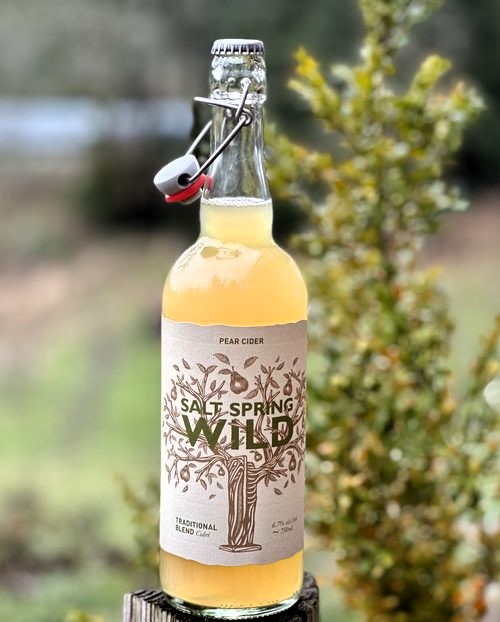
ROSÉ CIDER/ SIDRA ROSADA
Style/ Estilo:
- Light floral fruity cider
- Pinkness can be through addition of other fruit/vegetable such as cranberry, raspberry, beetroot etc. However must not add further flavour.
- Pink colour can come from red-fleshed apples.
– Sidra afrutada floral ligera
– El color rosado puede obtenerse añadiendo otras frutas/vegetales como arándanos, frambuesas, remolachas, etc. Sin embargo, no debe añadir más sabor.
– El color rosa puede proceder de manzanas de pulpa roja.
Expected characteristics/ Características esperadas:
- Fruity, floral and perfumed
- On the palette, there will be a range of sweetness levels, but there must be appropriate acidity to tannin to help balance
- There should be no overt presence of an additional ‘flavour’, otherwise the cider should sit in the Flavoured Style
- These ciders may be still or sparkling.
– Afrutado, floral y perfumado
– En el paladar, habrá una gama de niveles de dulzor, pero debe haber una acidez y un tanino adecuados que ayuden a equilibrar.
– No debe haber una presencia evidente de un «sabor» adicional, de lo contrario la sidra debe situarse en el Estilo Aromatizado.
– Estas sidras pueden ser espumosas o no espumosas.
Sweetness parameters/ Parámetros de dulzor:
- There are no sweetness parameters defined in this class.
– No hay parámetros de dulzor definidos en esta categoría.

SPANISH CIDER/ SIDRA ESPAÑOLA (Sidra Natural)
Style/ Estilo:
- From Northern Spain
- Medium to high levels of acidity and lower levels of tannin.
- Should be made from specific, traditional Spanish cider apples.
– Del norte de España
– Niveles medios a altos de acidez y niveles bajos de tanino.
– Debe elaborarse con manzanas específicas y tradicionales de la sidra española.
Expected characteristics/ Características esperadas:
- Aroma: fresh citrus, green apple, volatile acidity and volatile phenolics (both balanced and in proportion)
- Flavour: crisp and/or sour acidity, light bitterness and astringency, fresh and fruity
- Mouthfeel: light and vibrant on the palette, often with a long finish
– Aroma: cítricos frescos, manzana verde, acidez volátil y fenólicos volátiles (ambos equilibrados y en proporción).
– Sabor: acidez fresca y/o ácida, ligero amargor y astringencia, fresco y afrutado.
– Sensación en boca: ligera y vibrante en el paladar, a menudo con un final largo.
Sweetness parameters/ Parámetros de dulzor:
- These ciders are typically dry, with a specific gravity reading of <1.005.
- Consideration will be given to ciders greater than this specific gravity if the quality of the cider is exceptional.
– Estas sidras suelen ser secas, con una gravedad específica <1,005.
– Se tendrán en cuenta las sidras que superen esta gravedad específica si la calidad de la sidra es excepcional.
Notes/ Notas:
- ABV between 3% – 8.5%
- Includes mainstream, contemporary and premium varieties.
- If the cider has been made through a bottle fermented or a bottle conditioned process (including full methode traditionelle) it should be entered into Naturally Sparkling Cider.
– Contenido de alcohol entre 3% – 8,5%.
– Incluye variedades convencionales, contemporáneas y premium.
– Si la sidra ha sido elaborada mediante un proceso de fermentación en botella o de acondicionamiento en botella (incluido el método tradicional completo), deberá incluirse en Sidra Natural Espumosa.

SPECIALITY CIDER/ SIDRA ESPECIAL
Style/ Estilo:
- These are ciders that do not adequately fit into another category.
- Examples are apple wines, fortified ciders, co-fermented ciders (eg apple juice & beer wort)
– Son sidras que no encajan adecuadamente en otra categoría.
– Ejemplos: vinos de manzana, sidras fortificadas, sidras co-fermentadas (por ejemplo, zumo de manzana y mosto de cerveza).
Sweetness parameters/ Parámetros de dulzor:
- There are no sweetness parameters for this class.
– No hay parámetros de dulzor para esta clase.
Notes/ Notas:
- ABV between 3% – 20%
- Ciders in this class may be still or sparkling.
- If the organisers feel that there is a more suitable category the cider will be moved into this.
- The judges are looking for a product that is a great example of its speciality and its consumer appeal.
– Contenido de alcohol entre 3% – 20%
– Las sidras de esta categoría pueden ser espumosas o no espumosas.
– Si los organizadores consideran que existe una categoría más adecuada, la sidra pasará a ésta.
– Los jueces buscan un producto que sea un gran ejemplo de su especialidad y de su atractivo para el consumidor.
TANNIN LED CIDER/ SIDRA TÁNICA
Style/ Estilo:
- Identified by presence of tannins and polyphenols which have an impact on taste, structure and mouthfeel.
- Acidity may be present but tannin is defining character.
- Flavour is achieved through the use of bittersweet and bittersharp apples.
- Can be made all over the world.
– Identificados por la presencia de taninos y polifenoles que influyen en el sabor, la estructura y la sensación en boca.
– La acidez puede estar presente, pero el tanino define el carácter.
– El sabor se consigue mediante el uso de manzanas agridulces y agridulces.
– Puede elaborarse en todo el mundo.
Expected characteristics/ Características esperadas:
- Aroma: ranging between fruity, spicy, medicinal, woody or earthy (contributing to overall complexity and not being overtly dominant)
- Flavour: a balance of acidity, bitterness, astringency, sweetness and fruitiness
- Mouthfeel: broad, layered and complex with a long aftertaste
– Aroma: entre afrutado, especiado, medicinal, amaderado o terroso (que contribuya a la complejidad general y no sea abiertamente dominante).
– Sabor: equilibrio entre acidez, amargor, astringencia, dulzor y afrutado.
– Sensación en boca: amplia, estratificada y compleja, con un retrogusto largo.
Sweetness parameters/ Parámetros de dulzor:
- Dry – cider with a specific gravity reading of <1.005
- Medium – cider with a specific gravity reading of 1.005 to <1.015
- Sweet – cider with a specific gravity reading of >1.015
– Seca: sidra con un peso específico <1,005.
– Semi-seca: sidra con una gravedad específica de 1,005 a <1,015.
– Dulce – sidra con una gravedad específica >1.015
Notes/ Notas:
- ABV between 3% – 8.5%
- Includes mainstream, contemporary and premium varieties and can be still or sparkling.
- If the cider has been made through a bottle fermented or bottle conditioned process (including full methode traditionelle) it should be entered into Naturally sparkling cider.
– Contenido de alcohol entre 3% y 8,5%.
– Incluye variedades convencionales, contemporáneas y premium, y puede ser espumosa o no.
– Si la sidra ha sido elaborada mediante un proceso de fermentación en botella o de acondicionamiento en botella (incluido el método tradicional completo), debe incluirse en la categoría Sidra Natural Espumosa.
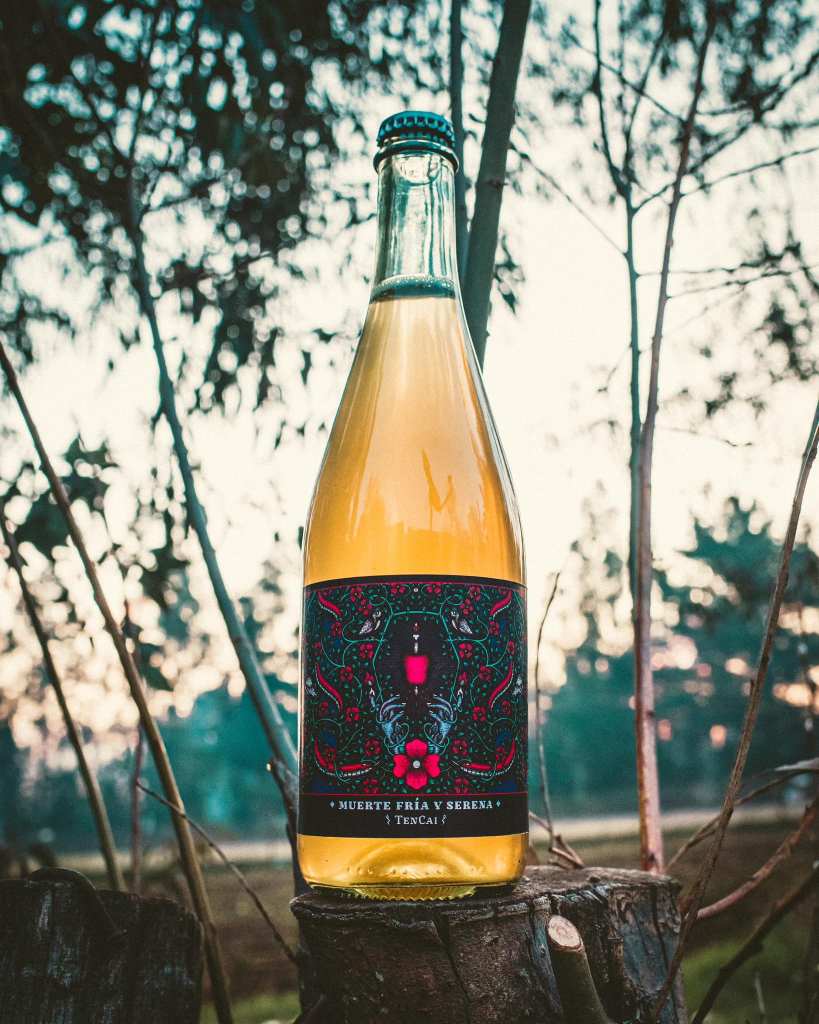
WOOD AGED CIDER/ SIDRA ENVEJECIDA EN MADERA
Style/ Estilo:
- These ciders have been in wood during fermentation/maturation.
- They contain no other fruits or flavours.
- Flavour profile will be noticeably altered by the wooden vessel it has been fermented/finished in e.g. fresh oak, ex-spirit or ex-wine.
– Estas sidras han estado en madera durante la fermentación/maduración.
– No contienen otras frutas o aromas.
– El perfil de sabor se verá notablemente alterado por el recipiente de madera en el que se haya fermentado/acabado, por ejemplo, roble fresco, ex-espirituoso, ex-vino.
Sweetness parameters/ Parámetros de dulzor:
- There are no sweetness parameters for this class.
– No existen parámetros de dulzor para esta categoría.
Notes/ Notas:
- ABV between 3% – 8.5%
- Ciders in this class may be still or sparkling.
- Cider that has been placed into old oak vessels to aid the maturation process through the action of microflora, but where no discernible wood character has been imparted, should be entered into their relevant category.
- Any type of apple may be used for these ciders and could they could display either tannin dominant or acid dominant characteristics.
- They will be judged on their balance, execution, cider making skill and enjoyment.
– Contenido de alcohol entre 3% – 8,5%.
– Las sidras de esta categoría pueden ser espumosas o no espumosas.
– La sidra que ha sido colocada en recipientes de roble viejo para ayudar al proceso de maduración a través de la acción de la microflora, pero a la que no se ha impartido ningún carácter discernible de madera, debe ser inscrita en su categoría correspondiente.
– Para estas sidras se puede utilizar cualquier tipo de manzana y pueden presentar características de dominancia tánica o ácida.
– Serán juzgadas por su equilibrio, ejecución, habilidad sidrera y disfrute.

 Ciderayalga